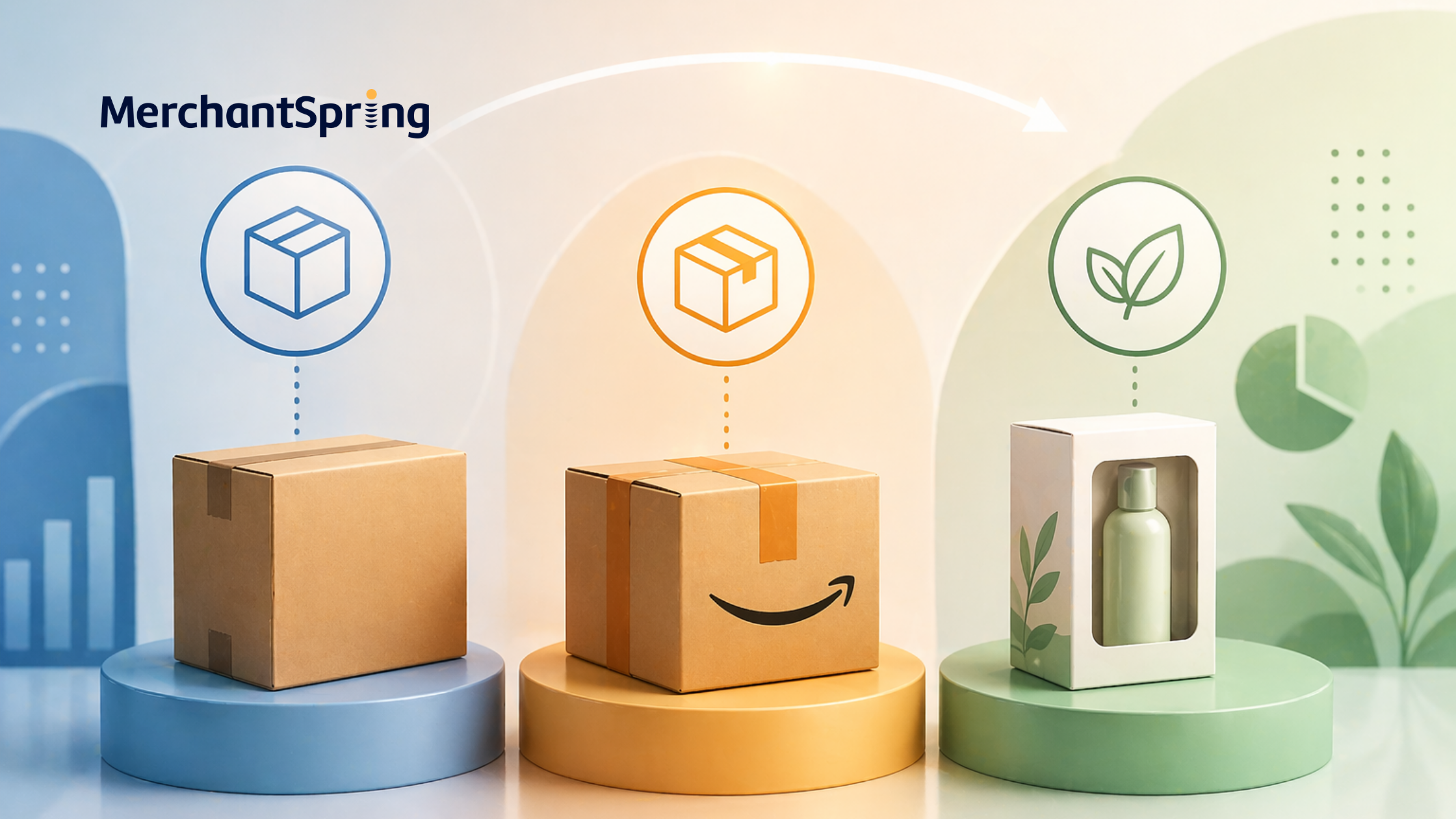
Packaging decisions can have a bigger impact on Amazon performance than many brands expect. The box a product ships in affects fulfillment costs, damage risk, sustainability, and the customer’s first physical interaction with the brand.
For sellers comparing standard packaging with Amazon’s packaging programs, the goal is not just compliance. It is finding the right balance between protection, cost control, and customer experience. For brands shipping at scale, that decision can also influence operational efficiency and margin, especially when paired with broader logistics strategies such as scaling orders through bulk fulfillment.
1. Standard packaging still has a clear role
Traditional packaging remains useful for products that need more protection or stronger shelf-style presentation. This format usually includes branded retail packaging, inserts, wraps, or molded components, and it typically ships inside an added Amazon box.
That structure can make sense for:
- Fragile items that need extra reinforcement
- Premium products where presentation matters
- Products with unusual shapes or specialty protection needs
In other words, standard packaging is not outdated. It is simply less optimized for direct-to-consumer shipping when compared with Amazon’s newer packaging models.
2. FFP and SIPP are built for shipping efficiency
Amazon’s Frustration-Free Packaging (FFP) was designed to reduce excess materials and make packages easier to open. Over time, Amazon evolved that concept into Ships in Product Packaging (SIPP), which allows qualifying products to ship in their own packaging without an extra Amazon box.
The difference in approach is important:
- Standard packaging emphasizes protection and retail presentation
- FFP emphasizes ease of opening and recyclable materials
- SIPP emphasizes direct shipping in the product’s own box
For many brands, SIPP can reduce weight, trim package dimensions, and simplify the fulfillment process. That can improve shipping efficiency and support a better unboxing experience at the same time.
3. Lower packaging volume can translate into lower costs
One of the biggest reasons sellers look at FFP or SIPP is cost. When packaging is lighter and more compact, brands may benefit from reduced shipping expense and more efficient warehouse handling.
That matters because fulfillment economics are closely tied to size and weight, which is why packaging can indirectly influence Amazon FBA fees and overall profitability.
At a high level, the cost advantages usually come from:
- Less packaging material
- Lower shipping weight
- Smaller package dimensions
- Faster processing through fulfillment operations
For high-volume products in categories like beauty, health, household, and small consumer goods, those gains can add up quickly.
4. The right choice depends on the product, not just the program
There is no universal winner between standard packaging, FFP, and SIPP. The better option depends on how the product travels, how fragile it is, and how much the brand benefits from premium presentation.
A simple way to think about it:
- Use standard packaging when protection and presentation are the priority
- Use SIPP when the product can ship safely in its own packaging
- Use FFP-style packaging when easy opening and recyclability are also important
Brands often get the best results by evaluating packaging through multiple lenses at once: damage prevention, shipping efficiency, customer reviews, and long-term margin impact.
Packaging is easy to overlook when sales are growing, but it becomes much more visible once fees rise, returns increase, or customer feedback starts reflecting a poor unboxing experience. A smarter packaging strategy can protect both the product and the economics behind it.
This article condenses key ideas from beBOLD Digital’s original guide.
For the full breakdown and more detailed guidance, read the complete article here: https://www.bebolddigital.com/blog/standard-packaging-vs-frustration-free