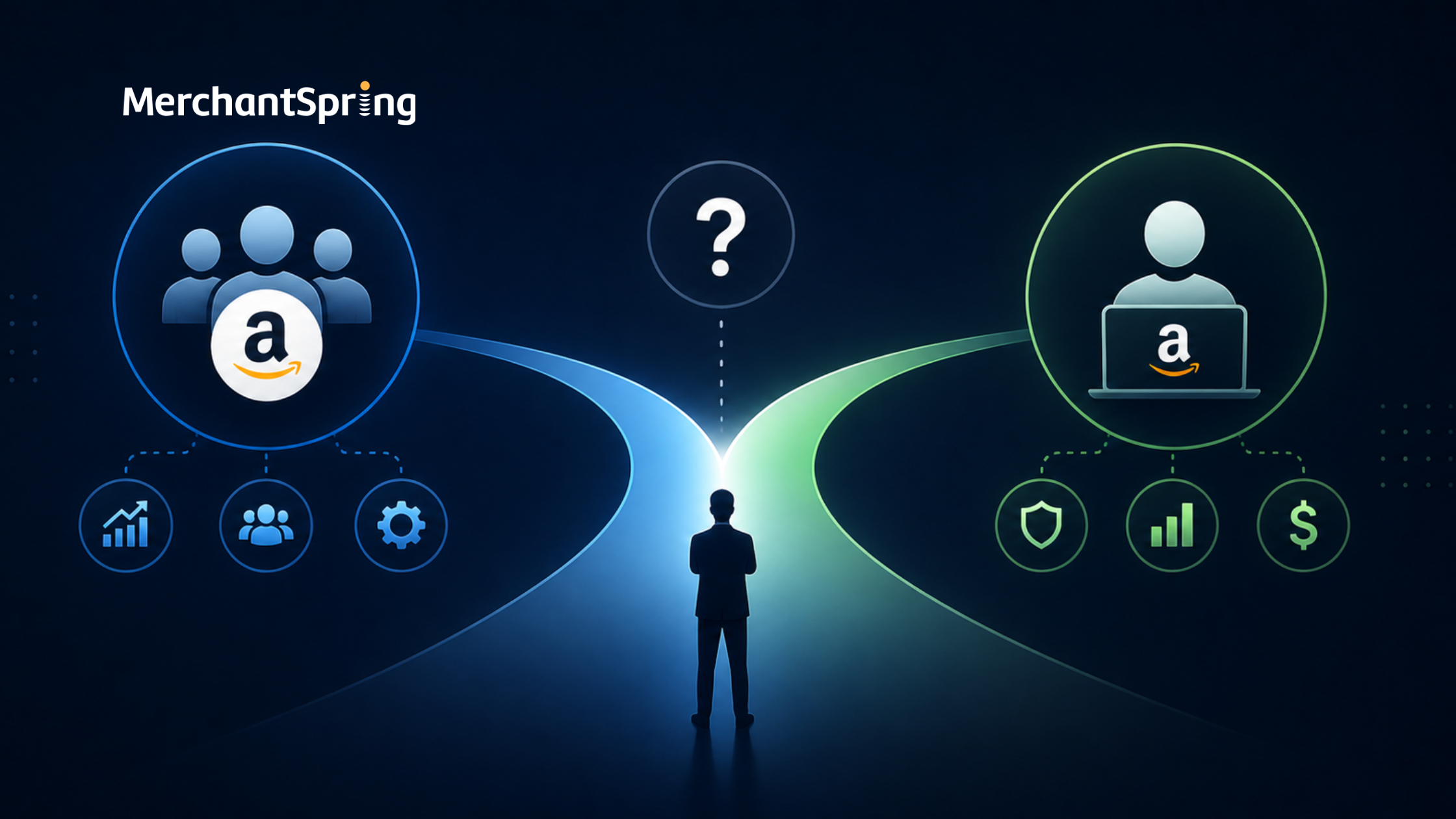
For beauty and ecommerce brands selling on Amazon, the decision between hiring an agency and building an internal team is not only about cost. It affects speed, control, expertise, and how well a brand can adapt in a competitive marketplace. Many growing brands choose to partner with an experienced Amazon agency like beBOLD Digital early on to access specialized knowledge and scale faster before investing heavily in an internal team.
Why Agencies Often Help Brands Move Faster
Amazon requires more than basic marketplace management. Brands need coordinated execution across advertising, keyword strategy, creative, analytics, inventory awareness, and compliance. An agency can give brands access to multiple specialists without requiring them to hire every role internally.
This is especially useful for brands that need support with Amazon PPC, Amazon SEO, and A+ Content and creative development at the same time.
Instead of waiting months to recruit, train, and align a team, brands can usually begin improving campaigns, listings, and reporting faster with an experienced agency partner.
Where In-House Teams Still Make Sense
An internal Amazon team can be the better fit when Amazon has become a major revenue channel and the brand needs daily control over decisions. In-house teams are often stronger for brand alignment, internal communication, and long-term knowledge retention.
However, this model usually requires more than one hire. A strong internal setup may need an account lead, PPC specialist, listing expert, designer, analyst, and access to paid tools. That can become expensive quickly, especially for small or mid-sized brands.
For many companies, the challenge is not whether an in-house team is valuable. It is whether the brand has enough scale, budget, and marketplace complexity to justify building one.
Cost Is Often the Deciding Factor
One of the biggest differences between the two models is cost structure. Agencies usually bundle several services into a retainer, while in-house teams require salaries, benefits, software, and management time.
The source article notes that agency costs often sit far below the annual expense of building a complete Amazon department. For brands still testing growth, improving paid media efficiency, or expanding their catalog, that difference matters.
A leaner agency model can be more practical when brands need access to specialized talent but are not yet ready to support a full internal team.
The Hybrid Model Can Be the Most Flexible Option
Many brands do not need to choose one model forever. A hybrid approach can allow the internal team to own brand direction while the agency handles technical execution.
A useful split may look like this:
- Internal team manages messaging, product priorities, launch planning, and cross-channel alignment.
- Agency manages campaign optimization, listing improvements, data analysis, and specialized marketplace execution.
- Both sides collaborate on growth goals, reporting, and performance decisions.
This setup can reduce the burden on internal teams while still giving the brand strategic control.
The Better Choice Depends on Growth Stage
For early and mid-stage brands, an agency is often the more efficient path because it provides speed, expertise, and scalability. For larger brands with mature Amazon operations, an in-house team may offer better control and deeper integration.
The key is to avoid choosing based on preference alone. Brands should look at their budget, current skill gaps, speed requirements, and how important Amazon is to total revenue.
This article distills several key ideas from beBOLD Digital’s original guide.
For the full explanation and deeper guidance, read the complete article here: https://www.bebolddigital.com/blog/should-i-hire-an-in-house-amazon-team-or-amazon-agency