Electronic Liquidation Pallets: What Resellers Need to Know
Sourcing electronics at scale is a constant challenge for Amazon sellers and ecommerce operators. Electronic liquidation pallets offer a lower-cost entry point into high-demand categories, but they come with tradeoffs around quality, logistics, and platform compliance. Insights from beBOLD Digital’s analysis help clarify when this sourcing model makes sense and where sellers need to be cautious.
Why Electronic Liquidation Pallets Attract Sellers
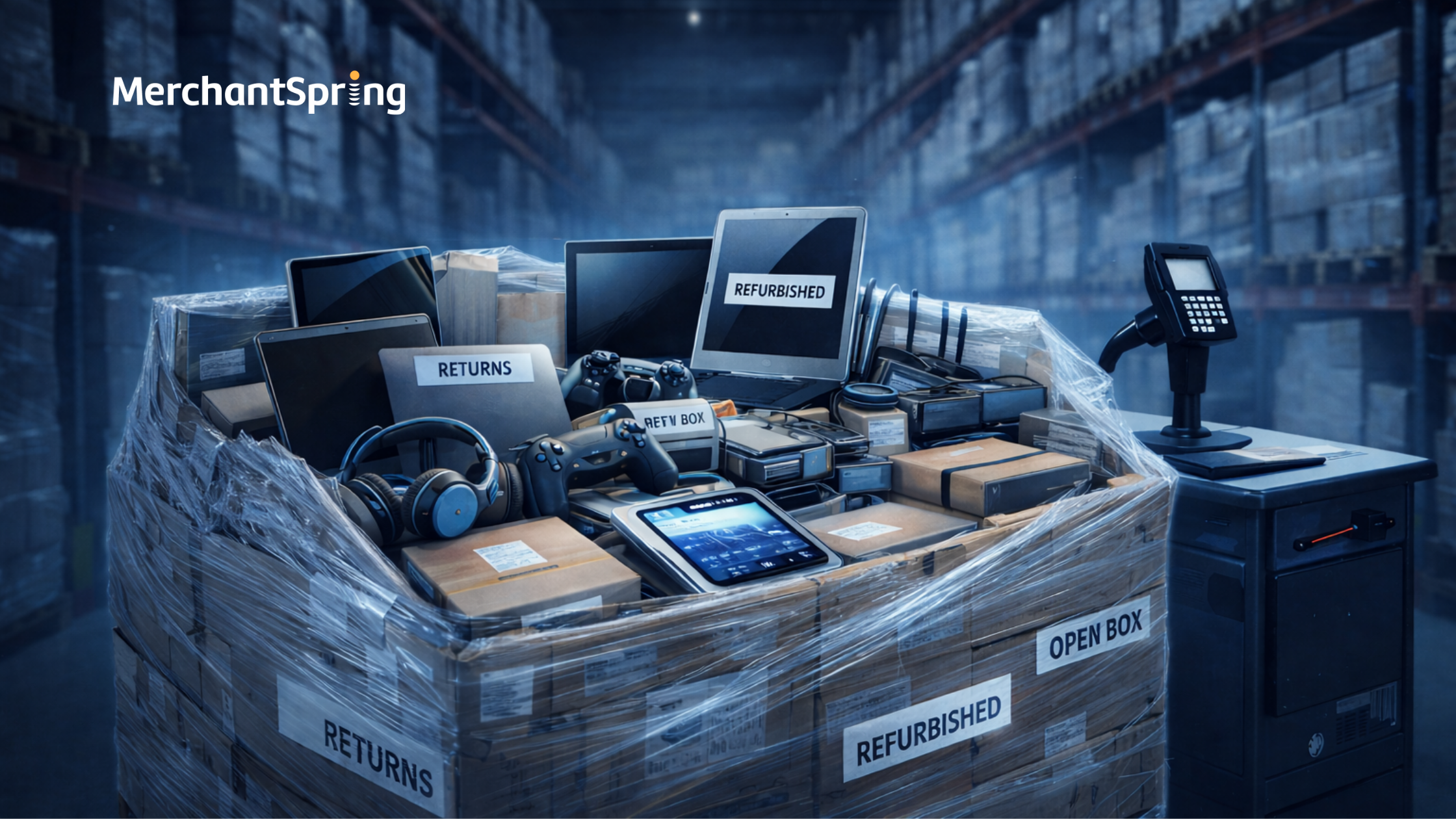
Electronic liquidation pallets are bulk lots of overstock, customer returns, refurbished items, or salvage inventory sold below traditional wholesale pricing. For resellers, the appeal is access to popular electronics categories without negotiating direct brand relationships.
Key characteristics to understand:
- Inventory is mixed by condition, not uniformly new
- Pricing reflects risk, testing effort, and resale channel flexibility
- Profitability depends heavily on accurate cost modelling, including Amazon storage fees
For sellers using Amazon FBA, liquidation pallets can supplement inventory when traditional wholesale margins tighten, but they are rarely a plug-and-play solution.
Where Sellers Typically Source Pallets
Most experienced resellers rely on established liquidation marketplaces connected to large retailers rather than unknown brokers. These platforms provide varying levels of transparency through manifests, condition grading, and auction or fixed pricing models.
Common sourcing patterns include:
- Retailer-backed marketplaces that list customer returns and overstock
- Electronics-focused liquidators offering category-specific pallets
- Regional suppliers that reduce freight costs and turnaround time
Many sellers diversify sourcing to find other suppliers as availability, quality, and pricing fluctuate throughout the year.
The Role of Returns in Electronics Liquidation
A large portion of electronics pallets are built from return pallets, which introduces both opportunity and risk. Returned electronics may be unopened, lightly used, or non-functional, often within the same pallet.
What this means in practice:
- Functional rates vary and require testing workflows
- Packaging and accessories are often incomplete
- Resale success depends on channel selection and accurate condition disclosure
Some sellers reserve Amazon for new or refurbished units while routing open-box or tested items to secondary marketplaces.
Key Risks Sellers Must Account For
Liquidation electronics are margin-sensitive. Small miscalculations can quickly erase projected profit.
Common risk areas include:
- Freight and handling costs that exceed expectations
- Long-term inventory exposure and rising Amazon storage fees
- Brand restrictions or ungated listings on Amazon
- Limited or no ability to return unsold inventory
Because pallets are typically final sale, sellers need contingency plans for slow-moving or non-compliant items.
Operational Reality Check
Liquidation sourcing works best for operators with systems in place. This includes inspection processes, inventory tracking, and flexible fulfillment strategies beyond a single marketplace like Amazon FBA.
What Successful Sellers Do Differently
Rather than treating liquidation pallets as a shortcut, experienced sellers approach them as a calculated sourcing channel.
They tend to:
- Start with smaller, manifested pallets before scaling volume
- Track profitability by pallet, not by individual SKU
- Balance Amazon listings with alternative resale channels
- Continuously find other suppliers to reduce dependency on one source
This disciplined approach helps offset the inherent variability of electronics liquidation.
Strategic Takeaway for Ecommerce Operators
Electronic liquidation pallets can unlock incremental margin and inventory flexibility, but only when sellers fully understand the operational demands. Between testing labour, storage exposure, and resale constraints, liquidation works best as a complementary strategy rather than a primary supply chain.
This article summarises key ideas from beBOLD Digital’s original guide. For the complete breakdown and deeper sourcing considerations, read the full article here: https://www.bebolddigital.com/blog/electronic-liquidation-pallets