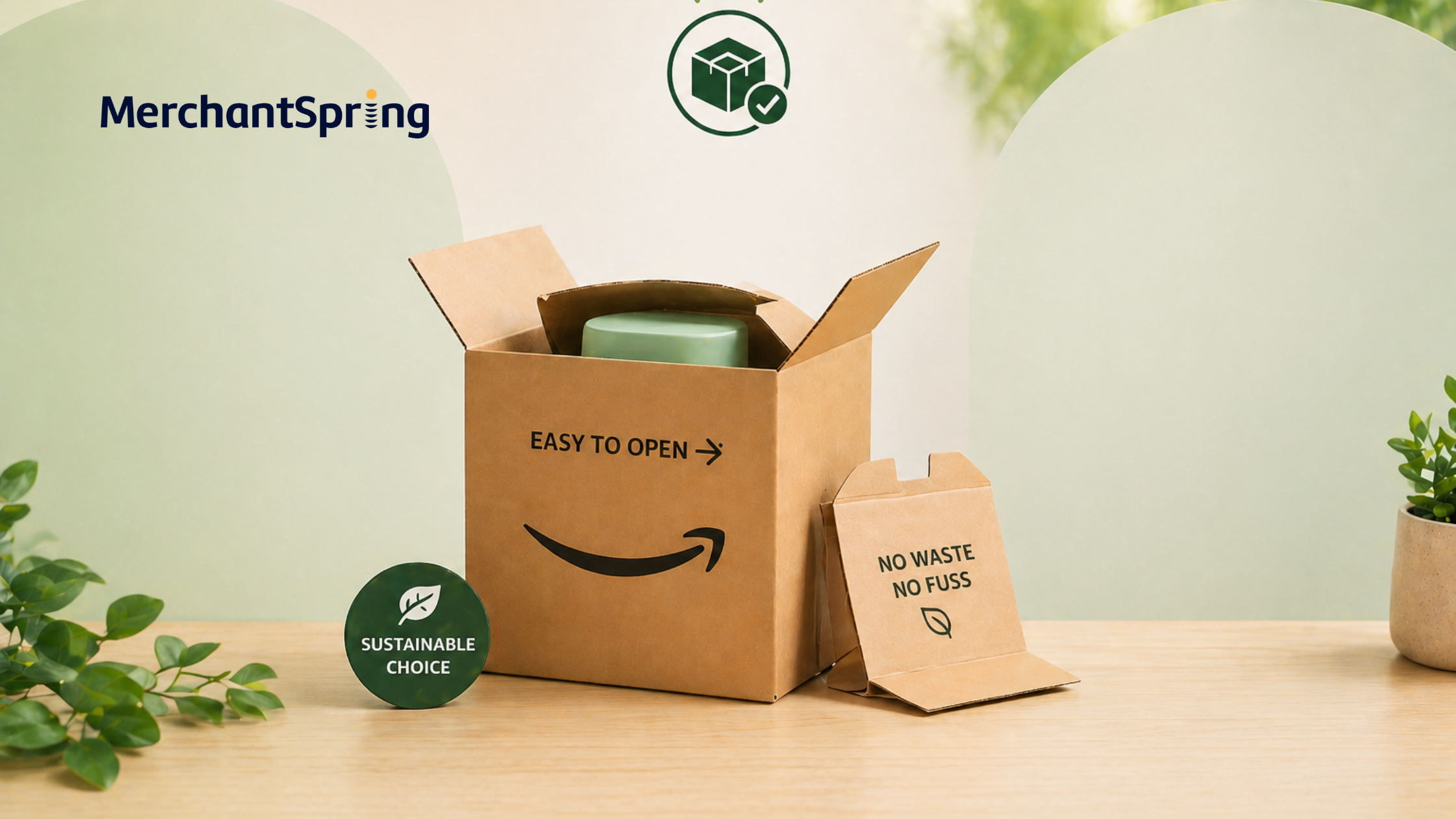
Packaging has become a bigger part of the ecommerce experience than many brands realize. For Amazon shoppers, packaging affects convenience, waste, product perception, and even whether an item feels worth buying again. For sellers, it can influence shipping costs, compliance, and the customer experience after checkout which is why many brands that scale turn to an Amazon agency like BeBOLD to ensure every detail, including packaging strategy, supports growth and profitability.
Amazon’s Frustration-Free Packaging, often shortened to FFP, was built around a simple idea: make products easier to open, reduce unnecessary materials, and keep items protected without adding extra layers of waste.
A Simpler Packaging Experience
Frustration-Free Packaging removes many of the pain points customers associate with traditional ecommerce packaging. Instead of dealing with plastic ties, clamshells, oversized boxes, or hard-to-open materials, shoppers receive packaging that is easier to open and easier to recycle.
For products like LEGO sets, this can mean a plain recyclable box rather than a decorative retail package inside another shipping box. The product itself stays the same, but the unboxing experience becomes faster, cleaner, and less wasteful.
This matters most for buyers who care about:
- Less packaging waste
- Faster unboxing
- Recyclable materials
- Fewer unnecessary inserts or plastic components
It also connects to Amazon’s broader shift toward products that can ship in their own packaging. Sellers who want the latest packaging direction should also review Amazon’s Ships in Product Packaging (SIPP) program.
Why Sellers Should Pay Attention
For Amazon sellers and vendors, packaging is not just an operational detail. It can affect margins, fulfillment efficiency, customer satisfaction, and brand perception.
A well-designed FFP approach may help reduce material costs, lower shipping waste, and support more efficient fulfillment. It can also make a product feel more aligned with sustainability expectations, which is increasingly important for customers comparing similar options.
However, FFP is not the right fit for every product. A brand that relies heavily on premium packaging, gifting appeal, or retail shelf presentation may need to weigh the tradeoffs carefully. A plain box can improve efficiency, but it may reduce the visual experience customers expect from certain categories.
That is why sellers should treat packaging as part of their Amazon strategy, not just a back-end logistics choice. If you are still evaluating whether Amazon fits your growth goals, this guide on is it worth selling on Amazon can help frame the bigger decision.
Frustration-Free Packaging vs Standard Packaging
The main difference comes down to purpose.
Standard packaging is often designed for retail presentation. It may include branded visuals, inner packaging, inserts, ties, or additional protection. This can be useful for gifts, collector items, and products where first impressions depend on presentation.
Frustration-Free Packaging focuses more on function. It uses fewer materials, reduces extra handling, and is designed to be opened without tools. For shoppers, that means less cleanup. For sellers, it may mean leaner fulfillment and fewer packaging inefficiencies.
In general:
- Choose FFP when convenience, sustainability, and shipping efficiency matter most.
- Choose standard packaging when branding, gifting, or retail-style presentation is central to the customer experience.
Review fulfillment strategy before changing packaging, especially if you are comparing Amazon FBA vs FBM.
What Brands Need Before Moving Forward
To qualify for packaging programs like FFP, brands usually need to think through recyclability, protection, labeling, size, weight, and whether the package can ship safely without extra prep. Sellers may also need to review eligible products at the ASIN level rather than assuming an entire catalog qualifies.
The best approach is to start with products that are already sturdy, simple to package, and less dependent on decorative presentation. From there, brands can test whether lower packaging complexity improves customer experience without creating damage, complaints, or perception issues.
For sellers on Amazon, packaging choices should support the same goals as listing content, fulfillment, and advertising: reduce friction, protect margins, and improve the buying experience.
This condensed adaptation pulls from beBOLD Digital’s original guide.
For the complete breakdown and detailed strategies, read the full article here: https://www.bebolddigital.com/blog/what-is-amazon-frustration-free-packaging